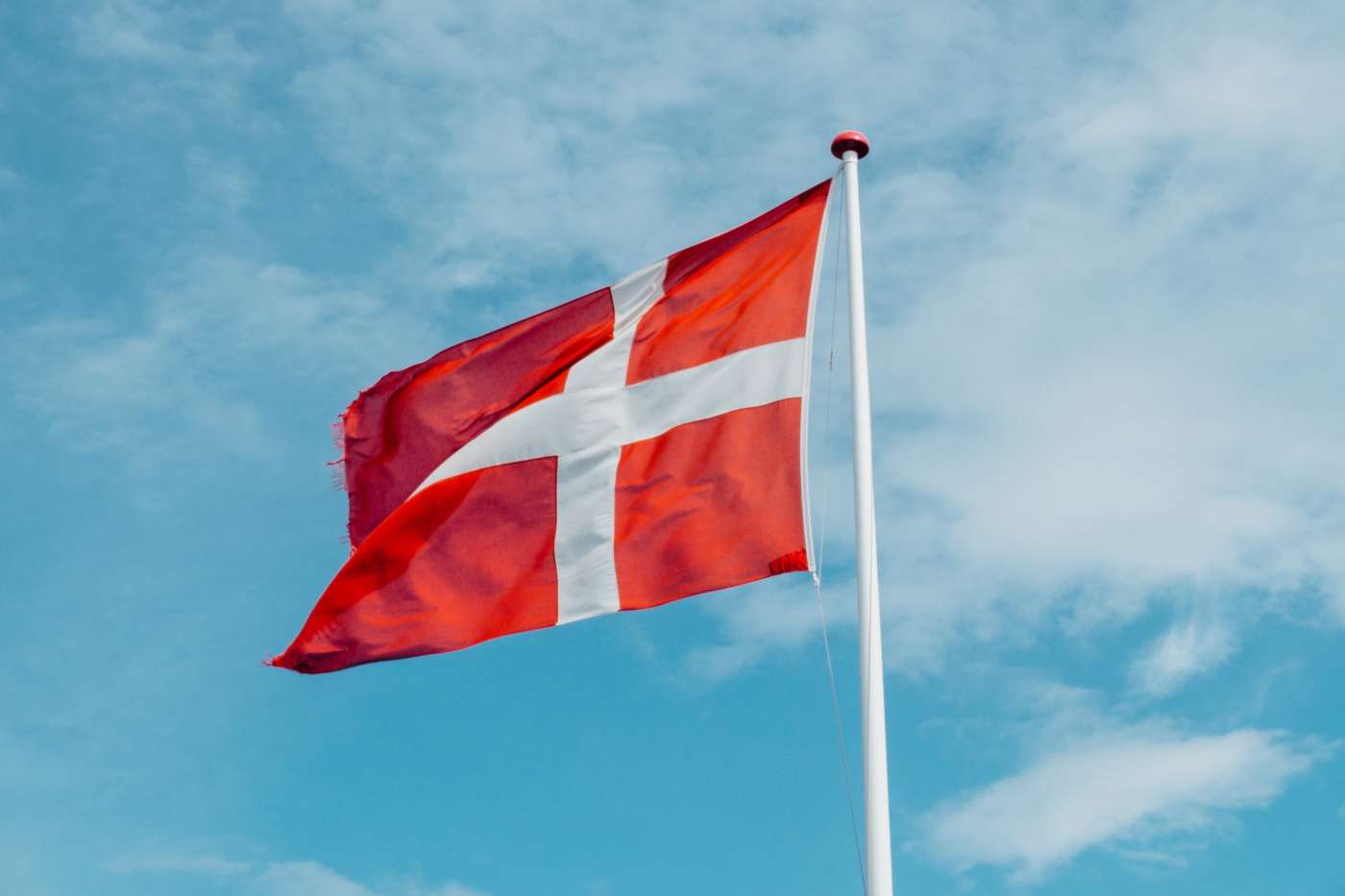
La Danimarca vanta il settore agricolo più sviluppato fra tutti i Paesi scandinavi. Questo Stato è diventato un punto di riferimento in campo biologico, avendo istituito il primo marchio di certificazione in Europa ed essendo uno dei paesi con il più elevato consumo di prodotti biologici al mondo. L’etichetta bio danese (marcata con la Ø) esiste infatti dal 1989 e garantisce ai consumatori che gli alimenti biologici siano stati coltivati e trasformati secondo le normative e controllati dallo Stato. A questo proposito si parla di un vero e proprio “modello danese” che da trent’anni coinvolge le più diverse categorie professionali per la promozione e la produzione del biologico. Un risultato reso possibile dalla collaborazione tra pubblico, produttori, catene di supermercati e aziende alimentari, nonché ovviamente dai consumatori che, essendo propensi a spendere per prodotti di qualità, danno vita a un circolo virtuoso all’insegna della sostenibilità. Tutti hanno contribuito a sviluppare un settore biologico orientato al mercato con una produzione che tiene conto dell’ambiente, della natura e del benessere degli animali.
Non è quindi un caso che la Danimarca sia in prima linea a livello mondiale nella produzione alimentare plant-based. Il settore agricolo ha infatti aumentato la produzione di colture vegetali ricche di proteine di alta qualità, mentre l’ormai tradizionale impegno nella produzione biologica contribuisce in modo fondamentale in questa direzione. Il governo danese è impegnato a sviluppare il mercato alimentare plant-based attraverso specifiche politiche, investimenti e partenariati tra pubblico e privato. Questi ultimi in particolare sono in grado di riunire il settore agricolo, l’industria alimentare, gli istituti di ricerca, le università e le istituzioni pubbliche verso il comune obiettivo di sviluppare il settore alimentare di origine vegetale. Il risultato di queste politiche è ben visibile nei numeri espressi negli ultimi anni dal mercato dei prodotti alimentari di questo tipo. È il caso dei piatti pronti vegetariani surgelati, le cui vendite sono aumentate in Danimarca, dal 2021 al 2022, del 27% a valore e del 20% a volume. Altro aspetto evidente di questo trend è costituito dal fatto che, dal 2017 al 2022, la superficie destinata in Danimarca alla produzione di colture vegetali altamente proteiche è raddoppiata. Questi sono solo alcuni esempi per inquadrare un settore che oggi nel suo complesso impiega a livello nazionale 13.400 persone e vale 1,15 miliardi di euro.
L’industria ortofrutticola in Danimarca ha una produzione molto diversificata che va dalle verdure alla frutta e alle bacche, dai semi alle erbe aromatiche e ai funghi, solo per fare qualche esempio. È forte l’attenzione a quelle colture volte a risolvere le sfide alimentari del futuro che si devono coniugare con la tutela dell’ambiente e i cambiamenti climatici. Negli anni il settore si è molto evoluto, passando da tanti piccoli produttori agricoli a grandi imprese che operano in modo altamente specializzato e competitivo con un conseguente aumento della produttività e delle esportazioni. L’impiego delle tecniche più avanzate ha inoltre portato a un buon livello di sostenibilità e di riduzione dell’impronta climatica. Basti dire che da 1990 l’industria dell’ortofrutta danese ha ridotto le emissioni di CO2 in modo significativo e che ancora molto verrà fatto in questo senso entro il 2030. A questo sviluppo ha ampiamente contribuito la domanda dei consumatori che oggi non è più rivolta tanto all’aspetto economico, quanto alla qualità e genuinità dei prodotti in linea con la sempre più diffusa ricerca di sicurezza e sostenibilità alimentare.
Denmark, queen of organic and plant-based productions
The Danish agricultural model is among the most appreciated in the world as for sustainability. Organic and plant-based production now represent dominant voices in the Country’s fruit and vegetable sector. So much so that Italy itself looks with interest at fruit and vegetables from Jutland
Denmark boasts the most developed agricultural sector of all the Scandinavian Countries. Within this sector, this State has also become a true point of reference in the domain of organic production, having established the first certification mark in Europe and being one of the Countries with the highest consumption of organic products in the world. The Danish ORGANIC label (marked with Ø) has existed since 1989 and guarantees consumers that organic foods have been grown and processed according to regulations and controlled by the State. In this regard, we are talking about a real ‘Danish model’ which for thirty years has involved the most diverse professional categories for the promotion and production of organic products. This result is made possible by the collaboration between public sector, producers, supermarket chains, and food companies, as well as obviously by consumers, who, being inclined to spend on quality products, create a virtuous circle in the name of sustainability. They have all contributed to developing a market-oriented organic sector with production that takes into account the environment, nature, and animal welfare.
It is therefore no coincidence that Denmark is at the forefront of plant-based food production worldwide. The agricultural sector has in fact increased the production of vegetable crops rich in high quality proteins, while the traditional commitment to organic production contributes in a fundamental way in this direction. The Danish government is committed to developing the plant-based food market through specific policies, investments, and public-private partnerships. The latter, in particular, are able to bring together agricultural sector, food industry, research institutes, universities, and public institutions towards the common goal of developing the plant-based food sector. The result of these policies is clearly visible in the numbers expressed in the market for food products of this type in recent years. This is the case of frozen vegetarian ready meals, whose sales increased in Denmark by 27% in value and 20% in volume from 2021 to 2022. Another clear aspect of this trend is the fact that, from 2017 to 2022, the surface area dedicated to the production of high-protein vegetable crops in Denmark doubled. These are just a few examples to frame a sector which today as a whole employs 13,400 people nationally and is worth 1.15 billion Euros.
The fruit and vegetable industry in Denmark has a very diversified production, ranging from vegetables to fruit and berries, from seeds to aromatic herbs and mushrooms, just to name a few. There is a strong focus on crops aimed at solving the food challenges of the future, which must be combined with environmental protection and climate change. Over the years, the sector has evolved greatly, moving from many small agricultural producers to large companies that operate in a highly specialized and competitive way, with a consequent increase in productivity and exports. The use of the most advanced techniques has also led to a good level of sustainability and reduction of the climate footprint. Suffice it to say that since 1990, the Danish fruit and vegetable industry has significantly reduced CO2 emissions and that much will still be done in this direction by 2030. Consumer demand has largely contributed to this development, which today is no longer addressed to the economic aspect, but rather to both quality and authenticity of the products, in line with the increasingly widespread search for food safety and sustainability.