Miglioramento varietale, lotta al cambiamento climatico, difesa delle produzioni, innovazione nel post-raccolta e formazione di nuovi specialisti. Sono questi gli interventi di cui necessità la filiera, ha affermato il presidente di Apo Conerpo Davide Vernocchi durante l’incontro di presentazione, ribadendo la necessità di “non scoraggiarsi e di investire proprio nei momenti in cui le difficoltà da affrontare e superare sono tante”.
Nuove varietà e metodi produttivi sono le sfide da vincere
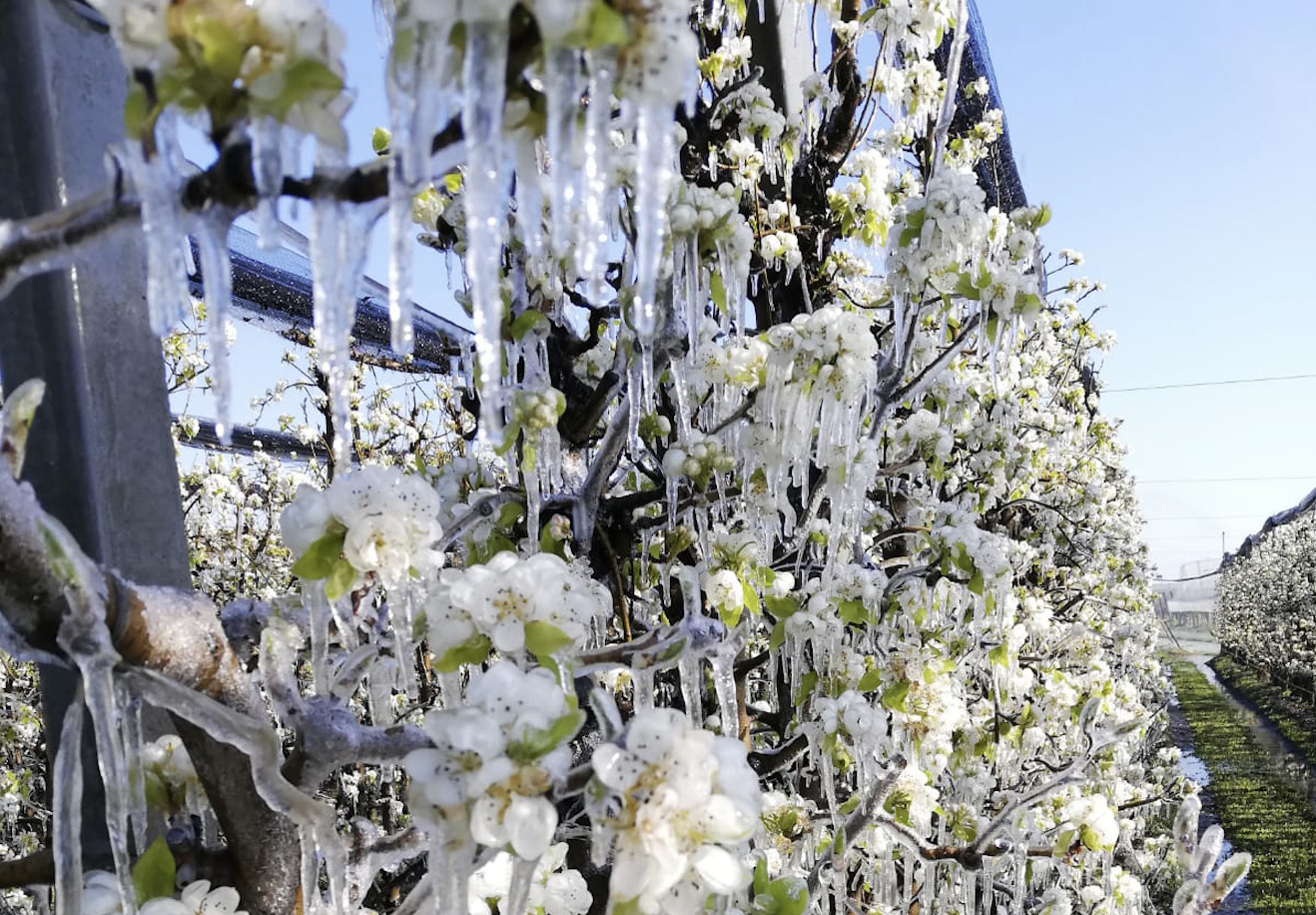
È un grido di dolore quello lanciato da Davide Vernocchi, presidente di Apo Conerpo mentre descrive lo stato dell’arte delle filiere ortofrutticole italiane. Gelate, siccità, grandine, fenomeni alluvionali provocati dal cambiamento climatico che hanno colpito con estrema durezza il settore e hanno portato in eredità vecchi e nuovi antagonisti come la cimice asiatica, la batteriosi del kiwi, la maculatura bruna del pero e l’alternaria. A queste problematiche si sono poi associate diverse criticità lungo la filiera tra cui la mancanza di manodopera, l’inflazione che ha contratto i consumi, le diverse crisi internazionali con hanno fatto impennare i costi energetici e logistici mettendo in seria difficoltà decine di migliaia di imprese agricole. “Negli ultimi anni il mondo ortofrutticolo ha registrato cali di produzione in tutte le specie coltivate, con punte anche dell’80% in alcuni casi – spiega Vernocchi. Oggi la sfida è di continuare a produrre ortofrutta di qualità, garantendo la sopravvivenza di intere filiere, difendendo eccellenze riconosciute a livello internazionale e tutelando decine di migliaia di imprese e posti di lavoro. Ma per coniugare sostenibilità economica e ambientale in un quadro complesso come quello attuale l’unico strumento a cui possiamo fare appello è la ricerca scientifica: ci servono nuove varietà che resistano al cambiamento climatico, nuove tecniche di produzione, nuovi sistemi di controllo e difesa. Una sfida imponente e contro il tempo che Apo Conerpo non può vincere da sola ma per la quale abbiamo scelto di lavorare insieme a F.In.A.F, nostra AOP di riferimento, mettendo in campo risorse importanti e tutta la competenza dei nostri tecnici”.
Dieci milioni di euro per innovazione e ricerca
Un milione di euro per il 2024, che va ad aggiungersi agli altri investimenti in corso e che incrementerà, anno dopo anno, fino ad arrivare ad un investimento totale di oltre dieci milioni entro il 2029. Un importo consistente spalmato su 14 progetti, che finanzierà oltre 35.000 ore di lavoro all’anno di tecnici e ricercatori di numerosi enti di ricerca e atenei universitari in tutto il Paese. Mirco Montefiori, direttore di New Plant, la società di Forlì nata nel 2002 per volere delle tre principali Organizzazioni dei Produttori emiliano romagnole (Apo Conerpo, Apofruit e Orogel Fresco) ha descritto i principali filoni su cui si sta muovendo l’attività di ricerca. “Abbiamo 5 macro progetti su cui investiamo. Per il kiwi siamo già arrivati a un prodotto a polpa verde con il nome commerciale di Dulcis. Per la fragola abbiamo licenziato Elodì. Poi siamo a buon punto anche sull’asparago, mentre gli sforzi sono concentrati sul pero per trovare linee genetiche più resistenti e adattabili. Anche per le drupacee sono in atto ricerche di miglioramento genetico”.
I 14 progetti in partenza nel 2024
Il contesto attuale ci impone di ricercare soluzioni innovative a criticità che coinvolgono tutta la filiera, spiega Monica Guizzardi, responsabile ufficio tecnico di Apo Conerpo. Sono previsti progetti di miglioramento varietale, progetti dedicati alla difesa delle produzioni, con focus specifici su alcune delle specie più colpite negli ultimi anni come il pero, gestione del post-raccolta e misure ambientali per il contrasto al cambiamento climatico. Su quest’ultimo fronte, in particolare, il progetto Carbon Farming finalizzato a ridurre le emissioni di CO2 nell’atmosfera, favorendo nel contempo la diffusione di pratiche di agricoltura rigenerativa, aumentando il risparmio idrico, la fertilità del suolo e la conservazione della biodiversità. Spazio anche alla difesa sostenibile, con lo studio di nuove tecniche e molecole a basso impatto in linea con gli obiettivi del Green Deal Europeo, a cui si affiancherà un focus specifico sulle colture pericole con il progetto Pero resistente e resiliente, a difesa di una delle produzioni messe più duramente alla prova dal cambiamento climatico. I progetti si concentreranno anche sul post-raccolta con lo sviluppo di innovazioni bio-tecnologiche per la gestione dei frutti dopo la raccolta e per innalzare il livello qualitativo offerto al consumatore, mentre un progetto specifico sarà riservato alle varietà e tecniche per l’industria di trasformazione.
L’ambito frutticolo
Mirco Montefiori, direttore di New Plant e punto di riferimento per cinque progetti dedicati specificamente al settore frutta, spiega i diversi filoni su cui si svilupperà l’innovazione varietale. In primis lo sviluppo di nuove varietà di actinidia, con particolare attenzione al segmento premium, di ciliegio dolce con l’obiettivo di migliorarne qualità, produttività, calendario di maturazione, resistenza al cracking e adattabilità al clima, per arrivare alle fragole resistenti al freddo e ai nuovi asparagi di qualità superiore e maggiore redditività per i produttori. Focus anche sulla selezione di nuove varietà di albicocco e pesco di elevata qualità e idonee alla coltivazione nel territorio emiliano-romagnolo, alla ricerca e sviluppo di nuove varietà e selezioni di melo e pero dotate di caratteristiche di pregio e idonee ad affrontare i cambiamenti climatici.
Riflettori puntati sull’industria del pomodoro
“Ci siamo concentrati su tre filoni principali – spiega Enrico Belfanti, genetista di Tera Seeds che opererà come capofila per il segmento. Lavoreremo sull’innovazione varietale per una gestione sostenibile dell’alternariosi nel pomodoro da industria, che rappresenta il principale nemico dei produttori in Emilia- Romagna mentre con Orobreed ci focalizzeremo sul miglioramento genetico per gestire la minaccia delle orobanche, parassiti infestanti che minacciano le piante di pomodoro. Riponiamo grande aspettative nel progetto delle piante-spia: vere e proprie sentinelle dei campi di pomodoro da industria che permetteranno di identificare con tempestività e precisione specifiche avversità consentendo di effettuare i trattamenti fitosanitari corretti, in tempi estremamente rapidi, utilizzando minori quantità di fitofarmaci”.
Apo Conerpo focuses on the italian supply chain of the future presenting 14 research projects
Apo Conerpo, the main European fruit and vegetable Producer Organisation, and F.In.A.F., the Association of transnational fruit and vegetable Producer Organisation, launch the challenge for the fruit and vegetable supply chain of the future and commit 10 million Euros from 2024 to 2029 for the realization of 14 research projects
Varietal improvement, fight against climate change, defence of production, post-harvest innovation, and training of new specialists are the main objectives. During the presentation meeting, Davide Vernocchi, President of Apo Conerpo, explained that the supply chain needs these interventions, reiterating the need ‘not be discouraged and to invest precisely in moments in which there are many difficulties to face and overcome’.
New varieties and production methods are the challenges to be overcome
Davide Vernocchi, President of Apo Conerpo, launched a cry of pain, as he described the state of the art of Italian fruit and vegetable supply chains. Frosts, droughts, hail, floods caused by climate change, which have hit the sector extremely hard and have brought a legacy of such old and new antagonists as Asian bug, kiwi bacterium, brown spot of the pear tree, and Alternaria. Furthermore, these problems have been associated with various critical issues along the supply chain including the lack of manpower, inflation which contracted consumption, the various international crises which caused energy and logistics costs to soar, putting tens of thousands of agricultural companies in serious difficulty. Vernocchi explained: ‘In recent years the fruit and vegetable world has recorded drops in production in all cultivated species, with peaks of up to 80% in some cases. Today the challenge is to continue producing quality fruit and vegetables, guaranteeing the survival of entire supply chains, defending internationally recognized excellence productions and protecting tens of thousands of businesses and jobs. But to combine economic and environmental sustainability in a complex framework like the current one, the only tool we can appeal to is scientific research: we need new varieties that resist climate change, new production techniques, new control and defence systems. Apo Conerpo cannot win alone such an imposing challenge against time, and for this reason we have chosen to work together with F.In.A.F, our reference AOP, deploying important resources and all the expertise of our technicians’.
Ten million Euros for innovation and research
One million Euros for 2024, which is added to the other ongoing investments and which will increase, year after year, until reaching a total investment of over ten million by 2029. This substantial amount, spread over 14 projects, will finance over 35,000 hours of work per year by technicians and researchers from numerous research institutions and universities across the Country. Mirco Montefiori, director of New Plant, Forlì-based company founded in 2002 at the behest of the three main Producers Organizations in Emilia Romagna region (Apo Conerpo, Apofruit, and Orogel Fresco) described the main lines along which the research activity is moving. ‘We have 5 macro-projects in which we are investing. For kiwi we have already arrived at a green pulp product with the commercial name of Dulcis. For strawberry we have developed Elodì. Then we are also at a good point on asparagus, while efforts are concentrated on pear tree to find more resistant and adaptable genetic lines. Genetic improvement research is also underway for stone fruit’.
The 14 projects starting in 2024
Monica Guizzardi, technical office manager of Apo Conerpo, explained that the current context obliges us to seek innovative solutions to critical issues that involve the entire supply chain. Varietal improvement projects are planned, as well as projects dedicated to protecting production, with specific focuses on some of the species most affected in recent years, such as pear, post-harvest management and environmental measures to fight climate change. On this last front, in particular, the Carbon Farming project aimed at reducing CO2 emissions into the atmosphere, while promoting the spread of regenerative agriculture practices, increasing water saving, soil fertility, and conservation of biodiversity. There is also space for sustainable defence, with the study of new low-impact techniques and molecules in line with the objectives of the European Green Deal, which will be accompanied by a specific focus on dangerous crops with the resistant and resilient Pear project, in defence of one of the productions put more severely to the test by climate change. These projects will also focus on post-harvest stage, with the development of bio-technological innovations for the management of the fruits after harvesting and to raise the quality level offered to the consumers, while a specific project will be reserved for varieties and techniques for the processing industry.
The fruit sector
Mirco Montefiori, director of New Plant and point of reference for five projects specifically dedicated to the fruit sector, explained the different lines along which varietal innovation will be developed. First of all, the development of new varieties of kiwi, with particular attention to the premium segment, of sweet cherry, with the aim of improving their quality, productivity, ripening calendar, resistance to cracking and adaptability to the climate, to arrive at strawberries resistant to the cold and new asparagus of higher quality and higher profitability for producers. Other focuses are the selection of new high-quality apricot and peach varieties suitable for cultivation in the Emilia-Romagna area, the research and development of new varieties and selections of apple and pear trees with valuable characteristics and suitable for dealing with climate changes.
Spotlight on the tomato industry
Enrico Belfanti, geneticist at Tera Seeds who will operate as leader for this sector, explained: ‘We focused on three main areas. We will work on varietal innovation for sustainable management of alternariose in tomatoes for processing industry, which represents the main enemy for producers in Emilia-Romagna, while with Orobreed we will focus on genetic improvement to manage the threat of orobanca, weed parasite that threatens tomato plants. We place great expectations in the spy plants project: true sentinels of the industrial tomato fields that will allow specific adversities to be identified promptly and precisely, allowing the correct phytosanitary treatments to be carried out extremely quickly, using smaller quantities of pesticides’.