L’attività di In store promotion è fondamentale per far conoscere un prodotto, abbattere barriere all’acquisto, suggerire nuove modalità di consumo, trasformare un marchio in un brand, renderlo memorabile, ottenere vendite aggiuntive, lanciare operazioni a premi, distinguersi, creare relazioni, ascoltare i commenti delle persone, fidelizzarle. Ma quante sono le aziende che utilizzano tale strumento e che lo integrano coerentemente nella strategia aziendale e nel piano di marketing?
Dopo aver riportato le testimonianze dei buyer ortofrutta di Coop Alleanza 3.0, Cedigros, Multicedi, Cia Conad, Dimar, Gruppo Arena (link ai 2 precedenti articoli), qui viene presentata una sorta di sintesi dei loro suggerimenti, arricchiti da consigli basati sulla mia esperienza trentennale nella gestione di In store promotion. L’obiettivo è offrire ai lettori spunti pratici per massimizzare l’efficacia delle promozioni in punto di vendita.
Primo punto di questo mini-vademecum è che l’attività di promozione al punto di vendita sia inserita all’interno del piano di marketing e che abbia un obiettivo definito e un valore chiaro da trasferire. Concordi tutti i buyer intervistati, se non ci sono contenuti rilevanti e distintivi da comunicare, la promozione rischia di diventare un esercizio fine a sé stesso, privo di efficacia.
Pianificazione: l’attività va pianificata per tempo, perché è complessa, coinvolgendo numerosi attori: il produttore, il distributore (ufficio acquisti, ufficio vendite, direttori e caporeparti dei negozi), l’agenzia di comunicazione per la creatività dei materiali, i fornitori dei materiali pos (desk, divise, gadget, rotair, leaflet, coupon, …) e l’agenzia per il reclutamento del personale promoter. Bisogna pianificare per tenere conto dei tempi decisionali e organizzativi dell’insegna cliente, per coordinare la produzione e la spedizione dei materiali necessari e per avere la lista dei punti vendita con ampio anticipo, così da consentire all’agenzia un’adeguata selezione e formazione del personale. La fretta non dà mai buoni frutti. Pianificare vuol dire anche scegliere con attenzione le date in cui realizzare l’attività, vuoi per creare connessioni capaci di rafforzare il posizionamento del proprio prodotto (vedi Pink Lady per San Valentino), vuoi per evitare di trovare negozi semi deserti (vedi weekend con ponti).
Ripetizione e ampiezza: realizzare una In store vuol dire instaurare una relazione con i consumatori. Le operazioni “one shot”, senza alcuna continuità e su numeriche di negozi estremamente limitate non generano un vero ritorno, perché servono tempo e spazio per costruire notorietà e fidelizzazione.
Condivisione e collaborazione: come già scritto sopra le In store sono un’attività corale, pertanto per esprimere il miglior risultato serve un lavoro di squadra, in pre e post attività tra produttore – buyer – caporeparti. Il format promozionale pensato dal fornitore va illustrato e condiviso col buyer; il briefing di lavoro e di prodotto va passato a buyer e caporeparti dei negozi interessati dalla promozione (è anche un modo per fare formazione); le modalità e le tempistiche di spedizione dei materiali pos e del prodotto omaggio per degustazione vanno concordate tra fornitore e buyer e comunicate agli addetti al reparto e all’agenzia promoter; i dati dei report attività compilati dalle promoter e i dati di vendita acquisiti dai caporeparti vanno condivisi e analizzati col buyer per valutare il ritorno dell’attività ed eventuali migliorie da apportare a quelle future. Solo con la piena collaborazione tra le parti si riescono ad eliminare o ridurre al minimo problematiche, quali mancato arrivo dei materiali pos e della merce omaggio per degustazione, rottura di stock, scarsa partecipazione all’attività degli addetti al reparto. Il coinvolgimento di tutti è fondamentale per la buona riuscita della ISP e può essere anche uno stimolo per le promoter a dare il massimo.
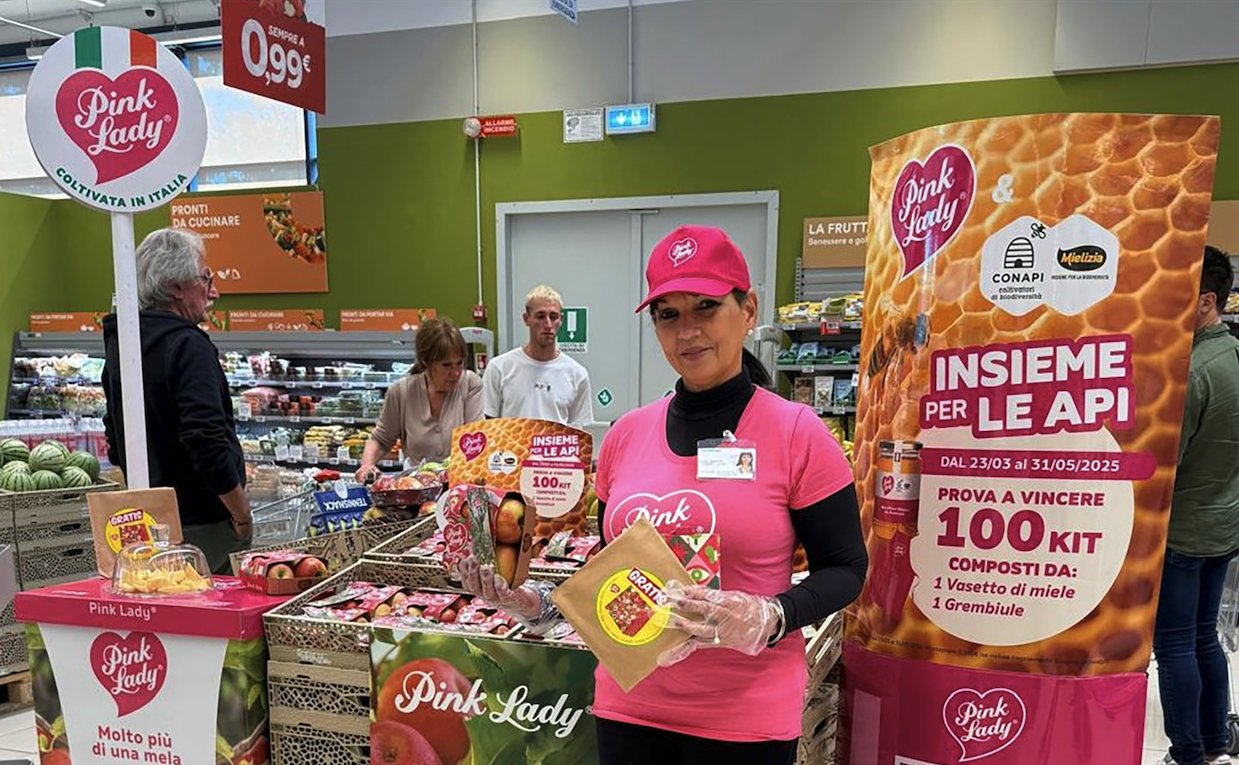
Format promozionale: una ISP di successo, capace di informare, stupire, emozionare e dunque generare vendite, ricordo e passa parola deve avere un allestimento impattante con creatività originale, capace di attirare l’attenzione delle persone e al contempo veicolare messaggi chiari. Deve essere curata, impattante e coordinata anche la divisa del personale promoter, che deve spiccare in corsia e non confondersi con la clientela. Ciliegina sulla torta sono l’assaggio del prodotto (sempre gradito, fondamentale nel caso di novità) e/o il sampling e/o la dimostrazione (nel caso di prodotti difficili da mondare / consumare) e la distribuzione di un omaggio di utilità percepito di valore.
Controllo: ai fini dell’efficacia dell’attività in corso e soprattutto di quelle future è strategico che il fornitore visiti a campione i negozi interessati dalla ISP. Evitare di basare le decisioni solo su report, vedere con i propri occhi come è esposto il prodotto, come lavora e comunica la promoter, come reagiscono i clienti e parlare con il caporeparto è fondamentale per correggere eventuali problematiche sul momento e per capire come migliorare le attività future. Analogamente funziona la supervisione dei negozi da parte dell’insegna ospite. Ascoltare, osservare e riportare al committente fa parte dei compiti del personale promoter, ma certamente ascolto e osservazione esercitati dai responsabili delle aziende fornitrici e distributrici sono molto più strategici.
Analisi: non basta fare l’attività, ne va analizzato il ritorno complessivo e per singolo punto vendita. Non solo dati sul venduto, ma anche numero di contatti e di assaggi, percentuale di persone che ancora non conoscevano il prodotto / brand, analisi dei commenti ricevuti.
Comunicazione: fare, saper fare e fare sapere è una formula quanto mai efficace. Sì, perché fare e fare bene ha un impatto, ma diffondere la notizia ne genera uno ancora maggiore. Non di rado i distributori pubblicizzano le In store che ospitano usando il volantino e i canali social in pre e post attività. I produttori, invece, sono meno soliti creare ponti tra il fisico e il digitale per divulgare la notizia dell’evento in store. Va ricordato che più touch point si attivano è più si aiuta il consumatore nel suo percorso d’acquisto e quindi più chance si danno al prodotto di essere scoperto, provato, acquistato e riacquistato.
La/il promoter, figura chiave per il successo dell’attività. Alcuni consigli per ridurre il rischio di personale inadeguato: selezionare un’agenzia in store con buone referenze, ben presente nel territorio da coprire, con esperienza nel freschissimo e testarla; fornire all’agenzia le caratteristiche desiderate per il personale e il tempo giusto per selezionare le migliori risorse; redigere un esaustivo briefing arricchito da foto e video esplicativi; partecipare da remoto o in presenza alla somministrazione del briefing alle promoter per rispondere a domande e chiarire dubbi. Da segnalare che cominciano a diffondersi esperienze in cui tale figura è sostituita da robot. Pro e contro da valutare, in funzione non solo dei costi, ma dell’obiettivo dell’attività e del format scelto.
In-store promotion: best practices to carry out successful activities
Some tips to integrating this activity into company strategy and maximizing its effectiveness
In-store promotion activity is essential in order to raise awareness of a product, break down barriers to purchase, suggest new ways to consume it, transform a brand into a reality, make it memorable, generate additional sales, launch prize promotions, stand out, build relationships, listen to customer feedback, and build loyalty. But how many companies use this tool and consistently integrate it into their corporate strategy and marketing plan?
After reporting the testimonials of fruit and vegetable buyers who work at Coop Alleanza 3.0, Cedigros, Multicedi, Cia Conad, Dimar, and Gruppo Arena (links to the 2 previous articles), here is kind of summary of their suggestions, enriched with advice based on my thirty years of experience managing in-store promotions. The goal is to offer readers practical insights to maximize the effectiveness of in-store promotions.
The first point of this mini-handbook is that in-store promotion should be integrated into the marketing plan, with a defined objective and a clear value to convey. All the buyers interviewed agreed that without relevant and distinctive content to communicate, promotion risks becoming an end in itself, ineffective.
Planning: The activity must be planned ahead of time, as it is complex, involving numerous stakeholders: the producer, the distributor (purchasing department, sales department, store managers, and department heads), the communications agency for creative materials, the suppliers of POS materials (desks, uniforms, gadgets, Rotair, leaflets, coupons, etc.), and the agency for recruiting the promotion staff. Planning must consider client brand’s decision-making and organizational timeframes, coordinate the production and shipment of necessary materials, and obtain a list of stores well in advance, allowing the agency to adequately select and train staff. Rushing never pays off. Planning also means carefully choosing the dates for the event, to create connections that strengthen product’s positioning (e.g., Pink Lady for Valentine’s Day) and to avoid finding semi-deserted stores (e.g., long weekends).
Repetition and breadth: Implementing an in-store event means building a relationship with consumers. One-off operations, without any continuity and with extremely limited numbers of stores do not generate a real return, as time and space to build awareness and loyalty are needed.
Sharing and collaboration: As mentioned above, in-store events are a collaborative activity, so achieving the best results requires teamwork, both pre- and post-activity between the manufacturer, buyer, and department managers. The promotional format designed by the supplier must be explained and shared with the buyer; the work and product briefing must be shared with buyers and department managers of the stores involved in the promotion (it is also a training opportunity); the methods and timing for shipping POS materials and the free product for tasting must be agreed upon between the supplier and buyer and communicated to the department staff and the promoting agency; the data from the activity reports compiled by the promoters and the sales data collected by the department heads must be shared and analyzed with the buyer to assess the return on investment and any improvements to be made to future operations. Only with full collaboration between all parties it is possible to eliminate or minimize issues, such as the failure to deliver POS materials and complimentary tasting items, stockouts, and poor participation to the activity by department staff. Everyone’s involvement is essential to the success of the ISP and can also motivate the promoters to give their best.
Promotional format: a successful ISP, capable of informing, surprising, and exciting, and thus generating sales, memories, and word of mouth, must have an impactful, creative, and original display that captures people’s attention while simultaneously conveying clear messages. The uniforms of the promoters must also be carefully designed, striking, and coordinated; they must stand out in the aisle and not blend in with the customers. The icing on the cake is product tasting (always appreciated, essential for new products) and/or sampling and/or demonstration (for products that are difficult to clean/consume), as well as the distribution of a perceived valuable gift.
Control: To ensure the effectiveness of current and, especially, future activities, it is crucial for the supplier to conduct random visits to the stores involved in the ISP. Avoiding basing decisions on reports only, seeing firsthand how the product is displayed, how the promoter works and communicates, how customers react, and speaking with the department manager are essential to correct any problems immediately and understand how to improve future activities. Supervision of stores by the host brand works similarly. Listening, observing, and reporting to the client are part of promotion staff’s duties, but listening and observing by the managers of supplier and distributor companies are certainly much more strategic.
Analysis: It is not enough to simply carry out the activity; the overall return on investment and that of each individual store must be analyzed. This includes not only sales data, but also the number of contacts and tastings, percentage of people who were previously unfamiliar with the product/brand, and analysis of comments received.
Communication: Doing, knowing how, and spreading the word is a highly effective formula. Yes, because doing and doing well has an impact, but spreading the word generates an even greater one. Distributors often advertise their in-store events using flyers and social media channels before and after the event. Producers, however, are less likely to create bridges between physical and digital to spread the word about an in-store event. It is important to remember that the more touchpoints are activated, the more consumers are helped along their purchasing journey, and therefore the more chances the product has of being discovered, tried, purchased and repurchased.
The promoter, a male/female key figure in the success of the business. Some tips to reduce the risk of inadequate staffing: select an in-store agency with good references, a strong presence in the target market, and experience in fresh produce, and test promoters; provide the agency with the desired staff characteristics and adequate time to select the best resources; draft a comprehensive briefing, enriched with explanatory photos and videos; participate remotely or in person in the briefing with promoters to answer questions and clarify doubts. It is worth noting that experiences where this role is replaced by robots are becoming more common. The pros and cons should be weighed, based not only on costs, but also on the objective of the activity and the chosen format.
A well-designed and performed in-store promotion transforms the store into a stage where the product/brand, with the support of the set and the promotional staff, can tell its story, stand out, and establish a direct connection with customers, winning them over. But it should not be forgotten that this is a marketing activity and as such must be studied, planned, communicated, measured, adjusted, and repeated to ensure concrete and lasting results.