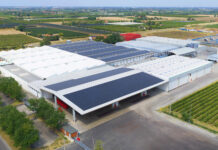
L’export ortofrutticolo italiano continua a crescere, ma lo fa in un contesto sempre più complesso. Le tensioni geopolitiche -a partire dalla crisi del Canale di Suez- stanno ridisegnando rotte, tempi e costi, incidendo in modo diretto sulla competitività delle imprese. Il nuovo fronte in Iran rende il quadro ancora più incerto. In questo scenario si inserisce Nord Ovest, operatore logistico con sede nel Cuneese: 48 milioni di euro di ricavi, cinque sedi operative e una specializzazione nelle spedizioni refrigerate extra Ue. Con circa 1.100 clienti attivi, di cui oltre un centinaio nel settore ortofrutticolo, l’azienda collabora con grandi esportatori delle principali aree produttive italiane. E si propone come anello di congiunzione tra produzione e mercati internazionali, puntando su servizi integrati e su un forte know-how nella gestione della catena del freddo: “Nord Ovest si definisce un facilitatore, capace di rendere possibili nuove rotte commerciali e supportare le aziende nell’accesso ai mercati internazionali” spiega il ceo Valentina Mellano. Uno dei nodi principali resta quello del trasporto marittimo. La crisi del Canale di Suez ha avuto un impatto significativo: “Molte navi sono state costrette a circumnavigare l’Africa, con un allungamento dei transit time fino a 20 giorni e un incremento dei costi intorno al 30% sul lungo periodo. Questo ha un impatto diretto sull’ortofrutta, dove tempi e regolarità sono fondamentali: l’incertezza deƒi transiti può compromettere la qualità del prodotto e creare squilibri sui mercati di destinazione”. Le conseguenze si sono riflesse sui flussi commerciali verso il Sud-Est asiatico, oggi meno attrattivi per alcune categorie. “Con i traffici allungati l’uva da tavola è stata, per esempio, uno dei prodotti più penalizzati. Per mele e kiwi invece sono stati fatti lavori importanti dai produttori nel gestire la crioconservazione per allungare la shelf-life e mantenere i mercati lontani”. Le criticità nell’area, purtroppo, non sembrano destinate a risolversi: “Oggi il 10-15% delle merci passa da Suez. I segnali incoraggianti ricevuti finora facevano pensare a un ritorno a una situazione di normalità dalla prossima stagione autunnale. Ma con la guerra in Iran la situazione si sta di nuovo capovolgendo”. Accanto alle difficoltà, si aprono nuove opportunità grazie ai nuovi accordi commerciali di libero scambio in via di definizione. Se il Medio Oriente si conferma un’area dinamica, l’India potrebbe diventare un mercato chiave grazie alla prospettiva di una riduzione dei dazi fino al 20-30%. “Oggi le mele italiane pagano il 50% di tariffa”. Anche il continente americano mostra segnali positivi: Brasile, Centro America e Messico risultano mercati ricettivi, sostenuti anche da condizioni logistiche più favorevoli. Un ulteriore impulso potrebbe arrivare dagli accordi con il Mercosur, che renderebbero più competitivi i prodotti italiani. “Attualmente in Brasile mele e kiwi scontano dazi intorno al 10%, ma il quadro potrebbe evolvere rapidamente”. Parallelamente, resta centrale il tema degli accordi fitosanitari, determinanti per aprire nuovi sbocchi commerciali. In questo contesto, la logistica diventa un fattore competitivo decisivo. Nord Ovest ha recentemente investito in un nuovo magazzino a Mondovì, segnando un passaggio chiave nella propria evoluzione. “Si tratta del primo hub di stoccaggio (in parte) a temperatura controllata, con una superficie complessiva di circa 10.000 metri quadrati, di cui 3.500 destinati a celle frigorifere, in grado di gestire sia temperature positive sia il surgelato. Permetterà di ampliare ulteriormente i servizi, integrando trasporto e stoccaggio e garantendo una gestione ancora più efficiente della catena del freddo”. L’investimento si inserisce in una strategia di rafforzamento che nel 2024 ha visto l’azienda movimentare oltre 23.000 container e 244.000 tonnellate di merce, supportata da circa 15.000 metri quadrati di magazzini. Il trasporto marittimo resta il vettore dominante, mentre quello aereo – pur incidendo poco sui volumi – può arrivare fino al 10% del fatturato per l’alto valore delle spedizioni, utilizzato soprattutto per prodotti delicati (come piccoli frutti, kiwi rossi) o campagne promozionali. Il trasporto terrestre, invece, è impiegato principalmente per i flussi intraeuropei. •
Tariffs, wars, and new agreements: logistics put to the test of global markets
Analysis by ‘Nord Ovest’, a Cuneo-based company that supports companies, particularly in the export outside the EU, and recently invested in a new refrigerated warehouse
Italian fruit and vegetable exports continue to grow, but they are doing so in an increasingly complex environment. Geopolitical tensions – starting with the Suez Canal crisis – are reshaping routes, timescales, and costs, directly impacting companies’ competitiveness. The new front in Iran makes the situation even more uncertain. Nord Ovest, a logistics operator based in the Cuneo area, works in this context: 48 million Euros in revenue, five operating locations, and a specialization in refrigerated shipments outside the EU. This company, with approximately 1,100 active clients, including over a hundred in the fruit and vegetable sector, collaborates with major exporters from the Italian main production areas. It presents itself as a link between production and international markets, focusing on integrated services and strong expertise in cold chain management. Valentina Mellano, CEO, explained: ‘Nord Ovest defines itself as a facilitator, capable of enabling new trade routes and supporting companies in accessing international markets’. One of the key issues remains maritime transport. The Suez Canal crisis has had a significant impact: ‘Many ships have been forced to circumnavigate Africa, extending transit times by up to 20 days and increasing costs by around 30% over the long term. These situations have a direct impact on the fruit and vegetable sector, where timing and regularity are crucial: transit uncertainty can compromise product quality and create imbalances in destination markets’. The consequences have been reflected in trade flows to Southeast Asia, which are now less attractive for certain categories. ‘With the extended traffic, table grapes, for example, have been one of the hardest hit products. For apples and kiwis, however, producers have made significant efforts to manage cryopreservation to extend their shelf life and keep distant markets’. Unfortunately, the critical issues in this area do not appear likely to be resolved: ‘Today, 10-15% of goods pass through Suez. The encouraging signs received so far suggested a return to normality next autumn. But with the war in Iran, the situation is once again turning upside down’. Alongside the difficulties, new opportunities are opening up thanks to new free trade agreements currently being finalized. If the Middle East remains a dynamic region, India could become a key market thanks to the prospect of tariff reductions of up to 20-30%. ‘Currently, Italian apples pay a 50% tariff’. The American continent is also showing positive signs: Brazil, Central America, and Mexico are receptive markets, supported by more favorable logistical conditions. A further boost could come from agreements with Mercosur, which would make Italian products more competitive. ‘Currently, apples and kiwis in Brazil face tariffs of around 10%, but the situation could evolve rapidly’. At the same time, the issue of phytosanitary agreements, crucial to open new commercial outlets, remains central. In this context, logistics becomes a decisive competitive factor. Nord Ovest recently invested in a new warehouse in Mondovì, marking a key step in its evolution. ‘This is the first (partially) temperature-controlled storage hub, with a total surface area of approximately 10,000 square meters, of which 3,500 are dedicated to cold storage, capable of handling both above-zero temperatures and frozen foods. It will allow us to further expand our services, integrating transport and storage and ensuring even more efficient management of the cold chain’. This investment is part of a strengthening strategy that, in 2024, saw the company handle over 23,000 containers and 244,000 tons of goods, supported by approximately 15,000 square meters of warehouse space. Maritime transport remains the dominant mode of transport, while air freight – even if it has little impact on volumes – can account for up to 10% of turnover thanks to the high value of shipments, used primarily for delicate products (such as berries and red kiwis) or promotional campaigns. Land transport, on the other hand, is primarily used for intra-European flows.